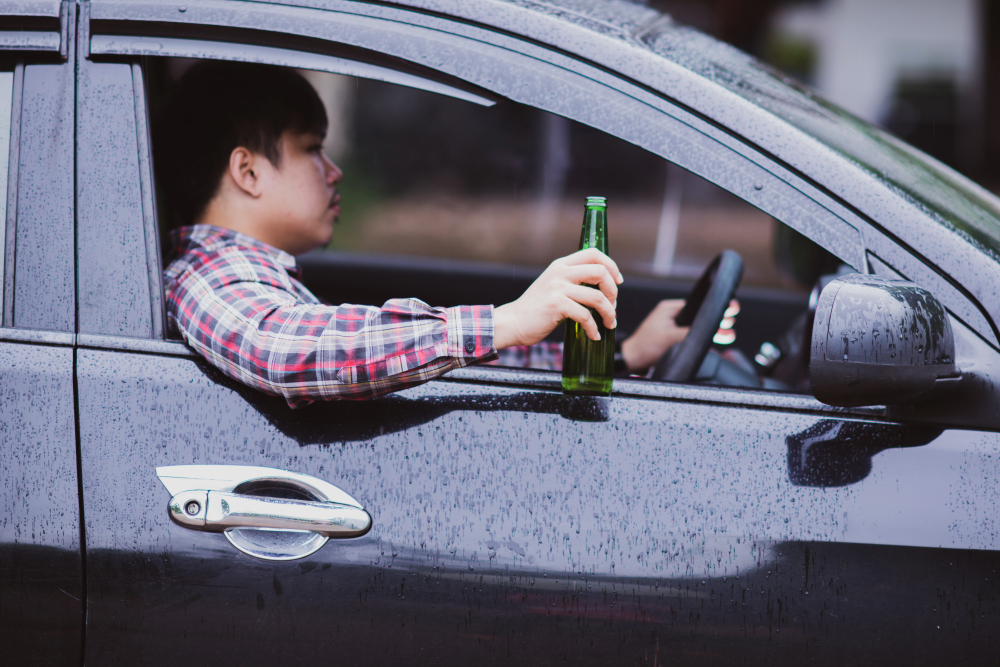
Alcohol slows the brain’s ability to take in what the eyes see, decide what to do and send that decision to the hands and feet. For a driver, that means it takes longer to notice a hazard, longer to choose a response and longer to hit the brake or turn the wheel. The effects begin well before a driver reaches the legal limit, and they grow worse with every drink.
Reaction time is only part of the problem. Alcohol also narrows attention, blurs judgment and makes drivers feel more capable than they are. Here is what happens at different blood alcohol levels, why a fraction of a second matters so much on the road and what it means for people hurt by impaired drivers.
What reaction time means behind the wheel
Driver reaction time covers three steps. First, the driver has to notice something, such as brake lights ahead, a pedestrian stepping off a curb or a car drifting into the lane. Second, the brain has to recognize it as a threat and pick a response. Third, the body has to carry out that response. Alcohol affects all three steps, so the delays stack on top of each other.
The distance covered during that delay adds up fast. A car traveling 45 mph moves about 66 feet every second. If alcohol adds even half a second to a driver’s reaction, the car travels roughly 33 more feet before the brakes engage. In many crashes, that is the difference between stopping in time and hitting someone.
How alcohol affects driving at different levels
The National Highway Traffic Safety Administration (NHTSA) outlines how driving skills change as blood alcohol concentration (BAC) rises. These are typical effects, and individual reactions vary with body weight, food, tolerance and other factors.
0.02% BAC
At this level, often reached after about one drink, NHTSA lists a decline in visual functions, especially the rapid tracking of a moving target, and a decline in the ability to do two tasks at once. Every drive involves divided attention, such as watching mirrors while checking speed, so this early effect matters.
0.05% BAC
NHTSA describes reduced coordination, a reduced ability to track moving objects, difficulty steering and a reduced response to emergency driving situations. Judgment and alertness drop while inhibitions loosen, which is a risky combination behind the wheel.
0.08% BAC
This is the legal limit for most drivers in Nevada and Arizona. NHTSA notes poor muscle coordination affecting balance, speech, vision, reaction time and hearing, along with greater difficulty detecting danger. Effects on driving include trouble with speed control, reduced information processing such as signal detection and visual search, and impaired perception.
0.10% BAC and above
At 0.10%, NHTSA describes a clear deterioration of reaction time and control, plus a reduced ability to stay in the lane and brake appropriately. At 0.15%, drivers show substantial impairment in vehicle control, attention and processing of what they see and hear.
Why impaired drivers do not notice how slow they are
One of the most dangerous effects of alcohol is that it dulls a person’s ability to judge their own impairment. Drivers who have been drinking often feel relaxed and confident, and they may believe they are driving carefully. That false confidence leads to speeding, following too closely and taking turns or lane changes they would normally avoid, all while their actual ability to react has slowed.
Coffee, cold air and a short nap do not reverse these effects. The body clears alcohol over time, and only time brings BAC back down.
Crashes linked to slowed reactions
Slowed reaction and poor judgment tend to show up in certain types of collisions:
- Rear-end crashes, when the driver does not brake in time for slowing traffic
- Wrong-way and head-on crashes, often at night on highways and divided roads
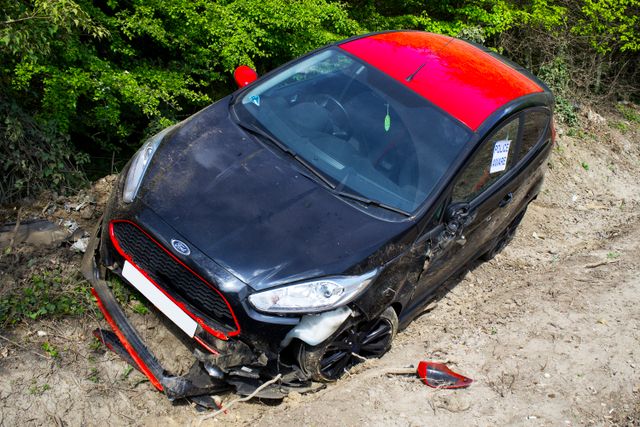
- Run-off-road crashes, when the driver drifts and overcorrects
- Intersection crashes, when the driver misses a signal or misjudges oncoming speed
- Pedestrian and cyclist crashes, when the driver fails to spot someone in time
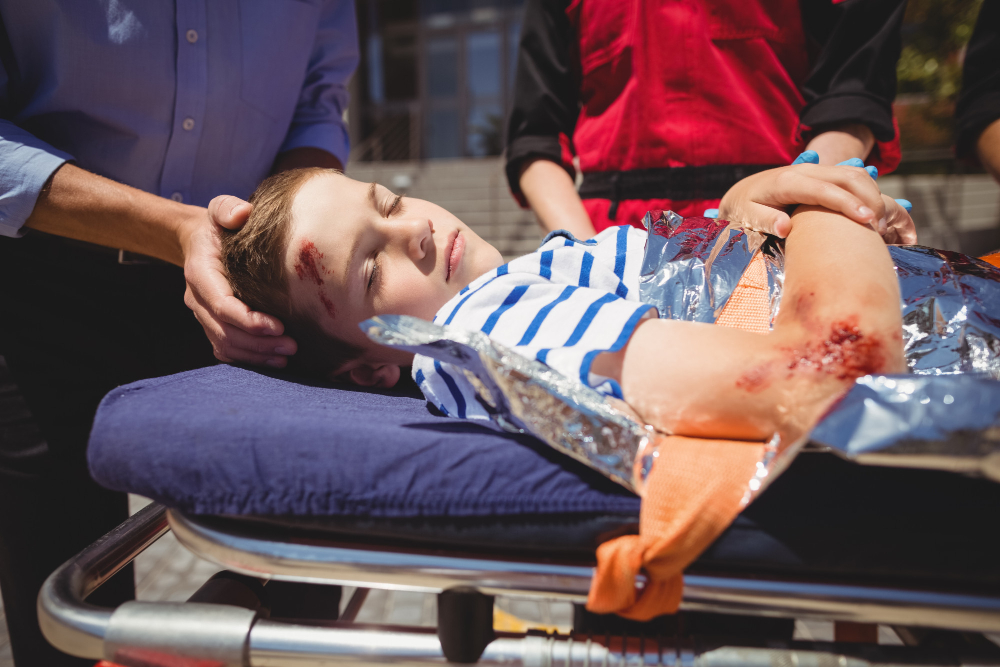
Many of these collisions happen at higher speeds and cause serious harm. NHTSA data shows that 12,429 people died in alcohol-impaired crashes in 2023, about 30% of all traffic deaths in the United States that year. Families who lose a loved one in a crash like this may have a claim for wrongful death under state law.
Drugs and fatigue can make it worse
Alcohol combined with cannabis, prescription sedatives or some sleep and allergy medications can slow reactions even more than alcohol alone. Fatigue adds to the problem, since a tired driver already reacts more slowly. Late-night driving after an evening out often brings both factors together. Our post on how driver fatigue contributes to car accidents explains the overlap.
What slowed reaction time means for an injury claim
In a claim against an impaired driver, evidence of alcohol use can support a finding of negligence. A BAC test, an arrest report, a DUI conviction, witness statements and video can all show that the driver was impaired. Physical evidence, such as the lack of skid marks before a rear-end collision, can also show that the driver reacted late or not at all.
A criminal DUI case and an injury claim run separately. The criminal case is about penalties, while the civil claim is about paying the injured person for medical bills, lost income and other losses. A conviction can strengthen the civil claim, but the claim can still move forward without one. A drunk driving accident lawyer can gather the records from both sides and use them to build the case.
If you were hurt, our guide on what to do if you are injured by a drunk driver in Las Vegas walks through the first steps after the crash.
Frequently asked questions
How much does alcohol slow your reaction time?
It varies by person and by how much they have had to drink. NHTSA lists reduced response to emergencies at 0.05% BAC and a clear deterioration of reaction time at 0.10%.
Can one drink affect your driving?
Yes. NHTSA notes declines in visual tracking and the ability to handle two tasks at once at 0.02% BAC, a level many people reach after a single drink.
What is the legal limit in Nevada?
For most adult drivers, the limit is 0.08% BAC. Commercial drivers face a lower limit of 0.04%, and a driver can still be charged below the limit if impairment is shown.
Can I sue a drunk driver if they were not convicted of DUI?
Yes. A civil injury claim is separate from the criminal case. Evidence such as test results, police reports and witness accounts can support the claim even without a conviction.
What should I do after being hit by a driver I think was drinking?
Call 911, tell the officer what you noticed, get medical care and keep records of your treatment. Avoid giving a recorded statement to the other driver’s insurer before speaking with an attorney.
Conclusion
Alcohol slows every stage of a driver’s reaction, from noticing a hazard to stepping on the brake, and it starts at levels below the legal limit. Those lost fractions of a second turn near misses into serious crashes, especially at highway speeds.
Ace Lakhani represents people hurt by impaired drivers in Las Vegas and Phoenix on a contingency fee, so there is no attorney fee unless compensation is recovered. Call 702.814.4000 or schedule a free consultation to talk about your case.