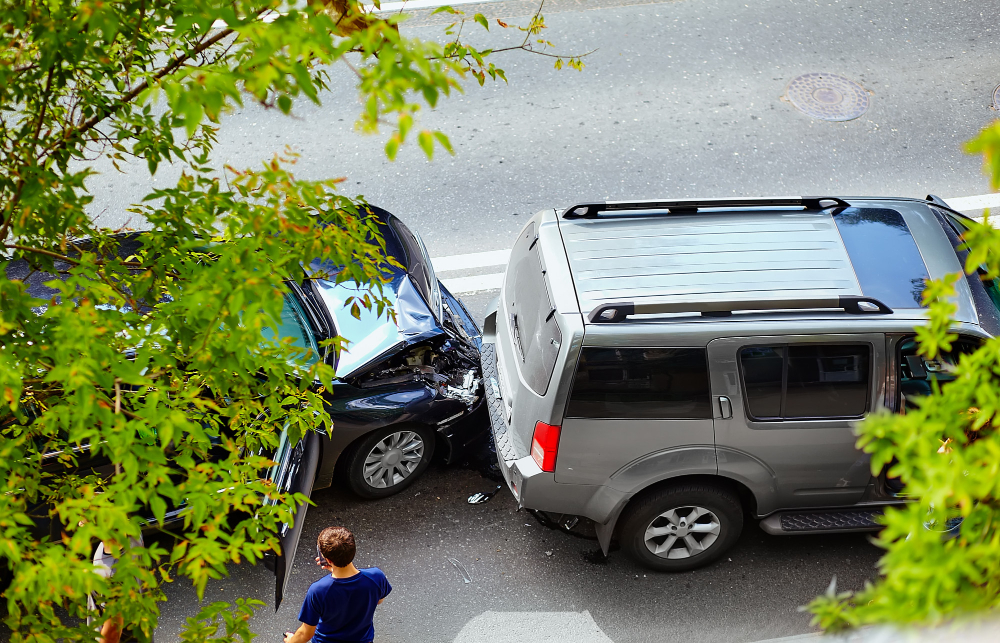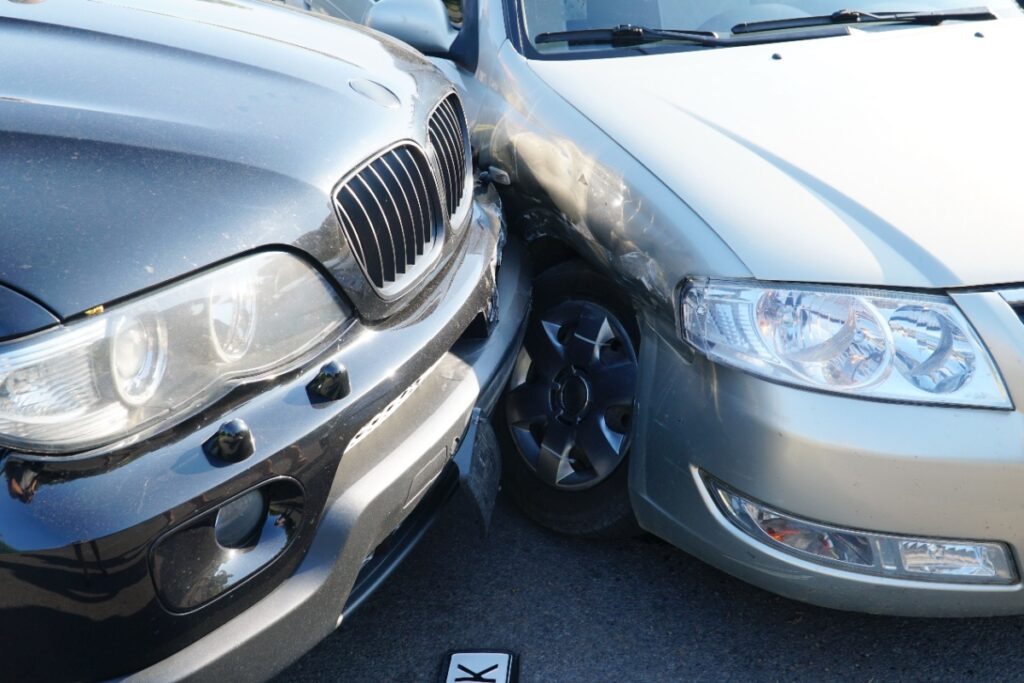
Driving is an activity that requires patience, awareness, and respect for traffic laws. However, aggressive driving has become increasingly common on roads across the United States, and it remains one of the leading causes of traffic accidents. Aggressive driving occurs when a motorist operates their vehicle in a reckless or hostile manner that endangers other drivers, passengers, cyclists, or pedestrians. Behaviors such as speeding, tailgating, unsafe lane changes, and road rage incidents significantly increase the risk of collisions. When accidents occur due to reckless behavior, consulting a Las Vegas personal injury lawyer can help victims understand their legal options and pursue compensation for injuries and damages.
When drivers prioritize impatience over safety, they reduce their ability to react to changing traffic conditions, which can quickly result in serious accidents. Understanding why aggressive driving leads to more collisions can help drivers recognize dangerous behaviors and take steps to prevent accidents before they happen.
What Is Aggressive Driving?
Aggressive driving refers to a variety of dangerous driving behaviors that demonstrate a disregard for traffic laws and the safety of others on the road. These behaviors often occur when drivers become frustrated with traffic congestion, feel rushed to reach their destination, or react emotionally to other motorists. Instead of remaining calm and driving defensively, aggressive drivers often make risky decisions that put everyone around them in danger.
Common examples of aggressive driving include speeding far above the posted limit, weaving through traffic, tailgating other vehicles, running red lights, blocking other cars from merging, and making sudden lane changes without signaling. These actions reduce the margin for error that drivers typically rely on to avoid accidents.
In many cases, aggressive driving behaviors are a major contributing factor in serious car accidents, and victims may seek guidance from an auto accident lawyer las vegas drivers trust to understand their legal rights and options.
These accidents can leave victims with significant injuries and financial losses. When drivers act recklessly behind the wheel, they not only risk their own safety but also the safety of everyone sharing the road.
How Aggressive Driving Reduces Reaction Time
One of the primary reasons aggressive driving leads to collisions is that it dramatically reduces reaction time. Safe driving requires drivers to anticipate potential hazards and maintain enough distance from other vehicles to react if something unexpected occurs. Aggressive drivers often ignore these safety principles and operate their vehicles in ways that leave little time to respond to sudden changes in traffic.
For example, a driver who is speeding or following another car too closely may not have enough time to stop if the vehicle in front suddenly brakes. At higher speeds, stopping distances increase significantly, meaning that even a small delay in reaction can lead to a collision. Aggressive drivers often underestimate how quickly dangerous situations can develop on the road. By reducing their ability to respond safely, they dramatically increase the likelihood of accidents.
This lack of reaction time is especially dangerous in areas with heavy traffic, frequent intersections, or pedestrian activity. When drivers fail to give themselves enough time to react, they make it nearly impossible to avoid crashes.
Speeding and Loss of Vehicle Control
Speeding is one of the most common forms of aggressive driving, and it plays a significant role in many serious accidents. When drivers exceed safe speed limits, they reduce their ability to control their vehicles and react to unexpected hazards such as sudden stops, road debris, or changing traffic signals.
The faster a vehicle travels, the longer it takes to stop. This means that speeding drivers often cannot brake in time to avoid collisions. Additionally, high speeds make it more difficult to maintain control of a vehicle during sharp turns or sudden maneuvers. Even experienced drivers can lose control when traveling too fast for road conditions.
High-speed collisions are also far more likely to result in severe injuries. Victims may suffer traumatic brain injuries, spinal cord damage, broken bones, or other catastrophic injuries that require long-term medical treatment. In many cases, individuals injured in these types of crashes pursue legal claims related to catastrophic injuries to recover compensation for medical expenses and other losses.
Unsafe Lane Changes and Highway Accidents
Aggressive drivers frequently change lanes in an attempt to bypass slower vehicles or move through traffic more quickly. However, making sudden lane changes without signaling or checking blind spots can easily lead to side-impact collisions.
Lane-change accidents are particularly dangerous on highways where vehicles travel at higher speeds. When drivers weave in and out of traffic, they increase the chances of colliding with another vehicle that may be traveling in their blind spot. These accidents can quickly escalate into multi-vehicle crashes that involve several cars.
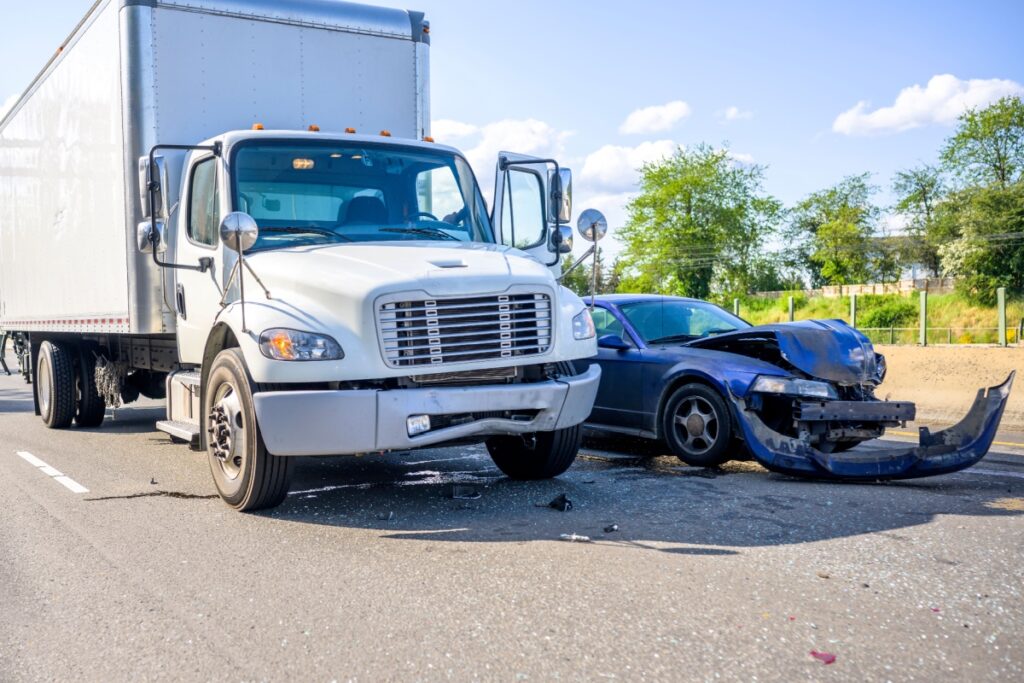
Unsafe lane changes are also a common factor in trucking accidents. Because commercial trucks are significantly larger and heavier than passenger vehicles, sudden maneuvers around trucks can create extremely dangerous situations for everyone on the road.
Aggressive Driving and Drunk Driving Risks
Aggressive driving can become even more dangerous when combined with other risky behaviors, such as driving under the influence of alcohol. Drunk drivers already experience impaired judgment, slower reaction times, and reduced coordination. When aggressive driving behaviors are added to the mix, the risk of accidents increases dramatically.
Drivers who are both impaired and aggressive may speed, ignore traffic signals, or make reckless maneuvers that endanger everyone around them. These accidents often lead to severe injuries and complicated legal cases. Victims of such crashes may pursue claims related to drunk driving accidents when another driver’s negligence causes harm.
Frequently Asked Questions
1. What qualifies as aggressive driving?
Aggressive driving includes behaviors such as speeding, tailgating, unsafe lane changes, running traffic signals, and road rage actions that endanger others on the road.
2. How does aggressive driving cause accidents?
Aggressive drivers reduce reaction time, ignore traffic laws, and make sudden decisions, which increases the likelihood of collisions.
3. Is aggressive driving illegal?
Yes. Many aggressive driving behaviors violate traffic laws and can result in fines, license suspension, or criminal charges.
4. Can aggressive driving make a driver liable for an accident?
Yes. If aggressive behavior caused a crash, the driver may be held legally responsible for injuries and damages.
5. What should I do if an aggressive driver causes an accident?
Seek medical attention, report the accident to the police, collect evidence if possible, and consult a personal injury attorney to understand your legal rights.
Conclusion
Aggressive driving continues to be one of the leading causes of preventable traffic accidents. Behaviors such as speeding, tailgating, unsafe lane changes, and road rage significantly increase the likelihood of serious collisions. When drivers allow frustration or impatience to influence their decisions behind the wheel, they create dangerous conditions that put everyone on the road at risk.
Understanding the dangers associated with aggressive driving can encourage motorists to adopt safer driving habits and remain patient during stressful traffic situations. However, when reckless drivers cause accidents that result in injuries, victims deserve the opportunity to seek justice and compensation.
If you or someone you love has been injured in a collision caused by aggressive driving, the legal team at Ace Lakhani Law Firm can help you understand your legal rights and options.
Call us at 702.814.4000 for a free consultation to discuss your case, or please submit a form through here.