Tourism plays a major role in economic growth, bringing opportunities, development, and global attention to cities and destinations. However, as tourist numbers continue to rise, there is an important issue that often gets overlooked—an increase in accident rates.
Busy streets, crowded attractions, and heavy transportation usage can put pressure on infrastructure and safety systems. As a result, both tourists and residents face higher risks of accidents. Increased foot traffic, unfamiliarity with local roads, and higher demand for transportation services can all contribute to collisions, slips, and other incidents.
Understanding how increased tourist activity impacts accident rates is essential for improving safety measures and planning. When accidents do occur due to negligence, victims may need legal guidance similar to what an experienced injury lawyer provides, helping them understand their rights and pursue appropriate compensation.
The Link Between Tourist Traffic and Accident Rates
When tourist numbers increase, especially during peak seasons, the population density of an area rises significantly. Roads that typically handle moderate traffic suddenly become congested. Public spaces become overcrowded, and transportation systems operate under pressure.
This surge in activity leads to more vehicles, more pedestrians, and more interactions between them. Naturally, the chances of accidents increase.
Tourists are often unfamiliar with local rules, road conditions, and traffic patterns. Even a small mistake, such as missing a sign or misjudging a turn, can lead to serious accidents. This is why accident rates often spike during holidays and peak travel periods.
Unfamiliar Roads and Driving Conditions
Driving in an unfamiliar place can be challenging for many tourists. They may not fully understand local traffic rules, road signs, or typical driving behavior. In many situations, travelers rely heavily on navigation apps, which can lead to distractions, sudden lane changes, or last-minute decisions.
Rental vehicles also contribute to the risk. Tourists often rent cars, bikes, or scooters that they are not used to operating. This lack of familiarity can affect control, confidence, and reaction time, increasing the likelihood of accidents.
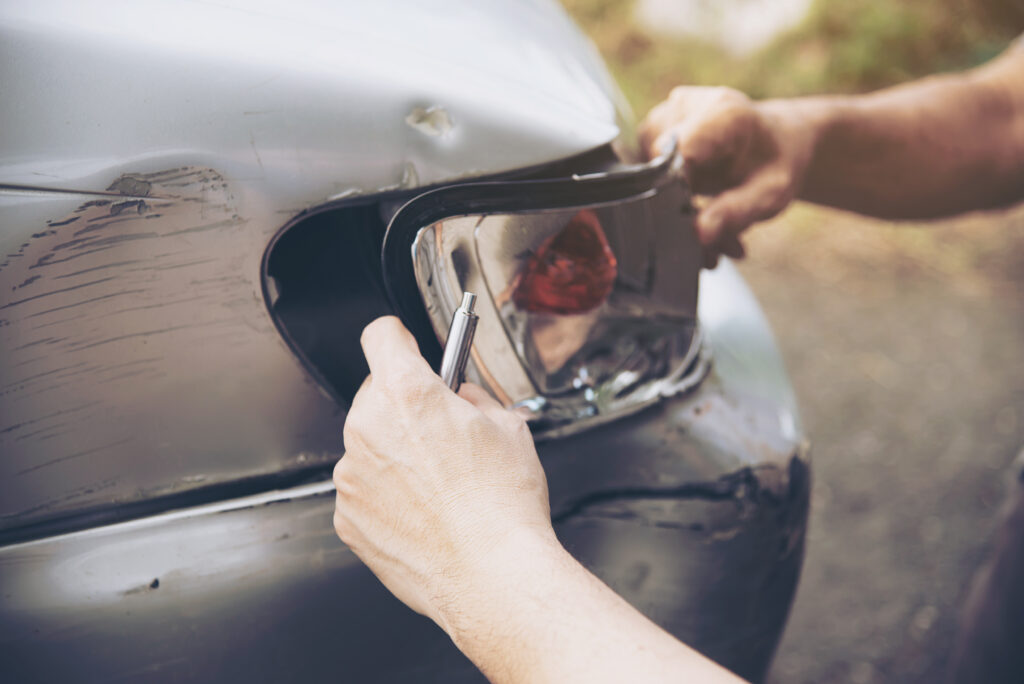
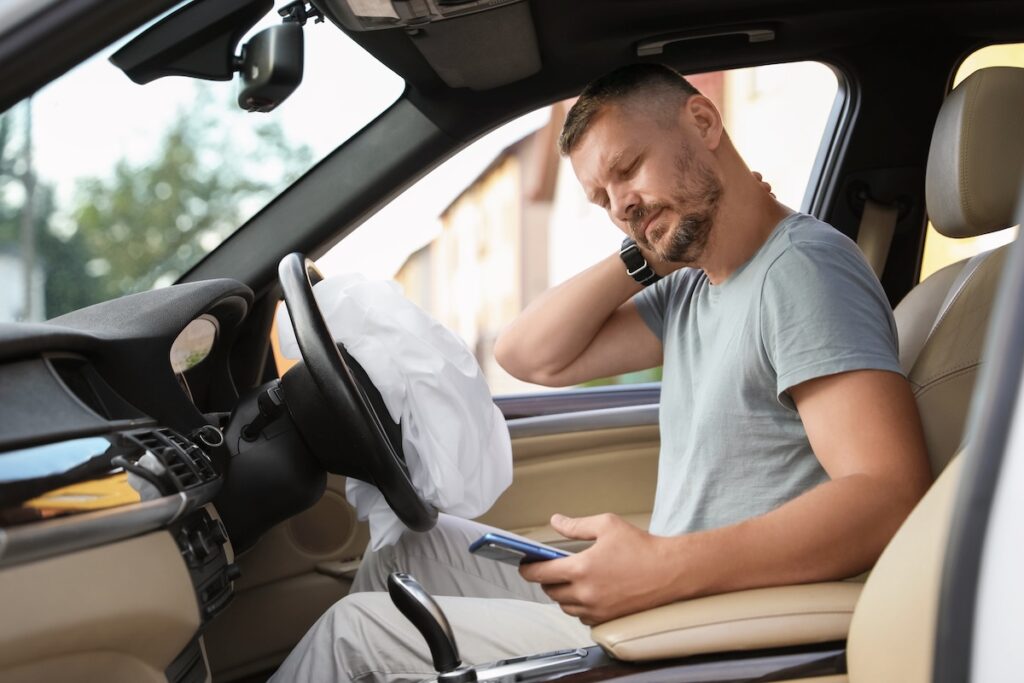
As a result, accidents involving cars and smaller vehicles become more common in tourist-heavy areas. For those facing such situations, understanding available legal support is important. Consulting an auto accident lawyer can help individuals learn about their rights and explore options for seeking compensation after an accident.
Traffic Congestion and Increased Collision Risks
As more tourists arrive, the number of vehicles on the road increases dramatically. This leads to traffic congestion, especially in popular areas like tourist attractions, shopping districts, and city centers. Congestion often creates frustration among drivers, and when people feel rushed or stressed, they are more likely to take risks such as speeding, making sudden lane changes, or ignoring traffic signals.
Heavy traffic also reduces reaction time and limits visibility. With less space to maneuver, even a minor mistake can quickly result in a chain-reaction accident involving multiple vehicles. These conditions make already busy roads even more dangerous for both residents and visitors.
Larger vehicles, such as trucks and buses, add another layer of risk in congested environments. Due to their size and weight, accidents involving these vehicles tend to be more severe and complex. In such situations, seeking legal guidance from a truck accident attorney can help victims understand their rights and navigate the process of pursuing compensation.
Pedestrian Accidents in Tourist Areas
Tourists often prefer walking to explore destinations, which enhances their travel experience but also increases the risk of pedestrian-related accidents. Many tourists become distracted while walking—taking photos, checking maps, or simply observing their surroundings—which reduces their awareness of nearby traffic.
In some areas, pedestrian infrastructure may be underdeveloped. A lack of clearly marked crossings, signals, or sufficient sidewalk space can force people onto the road, significantly increasing the likelihood of accidents involving vehicles.
Slip and fall incidents are also common in crowded tourist locations, especially in public spaces such as malls, hotels, and sidewalks. Wet floors, uneven surfaces, or poor maintenance can quickly lead to injuries. In such situations, understanding your legal rights is important, and consulting a slip and fall lawyer can help individuals explore their options for seeking compensation.
Nightlife, Alcohol, and Accident Risks
Tourist destinations are often known for their vibrant nightlife. Bars, restaurants, and events attract large crowds, particularly during evenings and weekends, creating a lively but sometimes risky environment.
Alcohol consumption plays a major role in increasing accident risks. Impaired judgment, slower reaction times, and reduced coordination make both drivers and pedestrians more vulnerable to incidents. This can lead to dangerous situations such as impaired driving, unsafe road crossings, or reduced awareness of surroundings.
Late-night environments often involve a mix of vehicles, pedestrians, and limited visibility. This combination significantly raises the chances of serious accidents, especially in busy entertainment districts where movement is constant and unpredictable.
In some cases, tourists may also encounter unexpected risks in unfamiliar surroundings, including animal-related incidents. Understanding liability in situations like dog bites is important, and consulting a dog bite attorney can help individuals better understand their legal options if such incidents occur.
Strain on Infrastructure and Emergency Services
Many tourist destinations are not designed to handle large crowds. Roads, parking facilities, and public transportation systems can quickly become overwhelmed during peak seasons. This strain directly affects safety, as poor traffic management, limited space, and overcrowding all increase the likelihood of accidents.
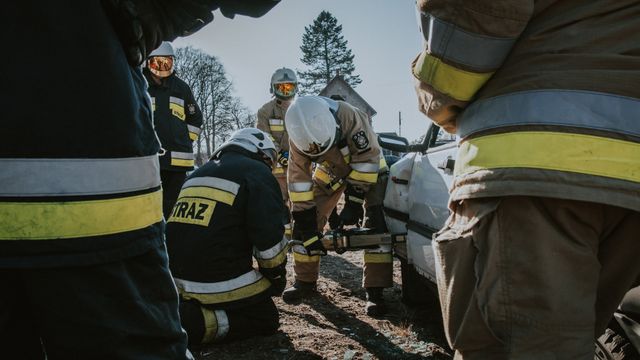
Emergency services also face significant challenges under these conditions. Ambulances, police, and hospitals may struggle to respond promptly due to congestion and high demand. These delays can worsen the severity of injuries and reduce the chances of timely medical intervention.
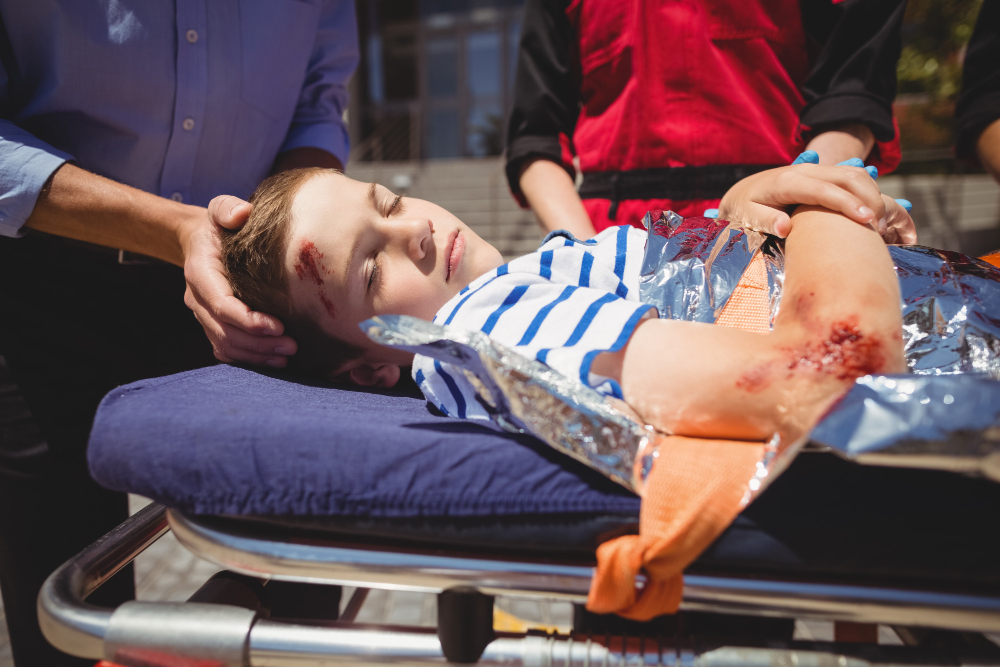
In the most serious situations, accidents can result in life-altering consequences such as long-term disabilities or permanent impairment. In such cases, seeking proper legal guidance is essential. Consulting experienced catastrophic injury lawyers can help victims understand their rights and pursue the compensation needed for ongoing care and recovery.
How to Reduce Accident Risks in Tourist Areas
Reducing accident rates requires a combined effort from authorities, businesses, and travelers. Improving infrastructure is essential. Clear signage, better road design, and proper pedestrian pathways can significantly enhance safety.
Traffic management systems can help control congestion and improve flow. Authorities can also implement stricter regulations during peak seasons. Public awareness plays a key role. Tourists should be educated about local rules and safety practices. Hotels, travel agencies, and websites can help share this information.
Tourists themselves must take responsibility. Staying alert, avoiding distractions, and following traffic rules can go a long way in preventing accidents.
Frequently Asked Questions (FAQs)
1. Why do accident rates increase in tourist destinations?
Accident rates increase due to higher traffic density, unfamiliarity with roads, and increased pedestrian activity.
2. Are tourists more likely to be involved in accidents?
Yes, tourists are more likely to face accidents because they are not familiar with local traffic rules and conditions.
3. What are the most common tourist-related accidents?
Common accidents include vehicle collisions, pedestrian accidents, slip and falls, and incidents involving rental vehicles.
4. How can tourists stay safe while traveling?
Tourists should follow local traffic rules, avoid distractions, use public transport when possible, and stay cautious in crowded areas.
5. What should I do if I’m involved in an accident while traveling?
Seek medical help immediately, inform authorities, gather evidence, and consult legal professionals for guidance.
Conclusion
Tourism brings growth and opportunity, but it also introduces challenges that must be managed carefully. Increased tourist traffic often leads to higher accident rates due to congestion, unfamiliarity, and pressure on infrastructure.
The good news is that these risks can be reduced through awareness, better planning, and responsible behavior.
If you or a loved one has been involved in an accident, it’s important to understand your legal rights and take the right steps. Whether it’s a road accident, pedestrian injury, or a serious case, professional guidance can make a significant difference. Visit our website and contact us today to get expert legal assistance and protect your rights.